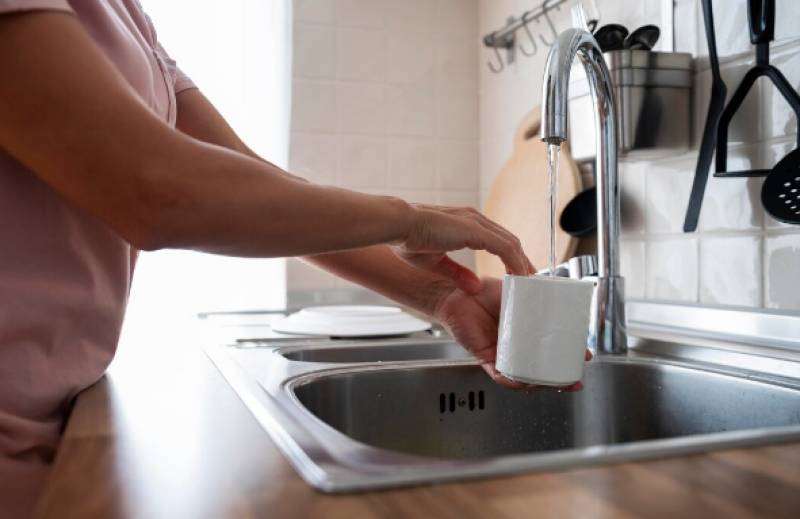
New study finds genetic link between tap water chemicals and bowel cancer risk in Spain
Certain people may be more susceptible to by-products found in drinking along the east coast of Spain
The experts are adamant that Spanish tap water is perfectly safe to drink, but new research suggests that some people with specific genetic variants might face a higher risk of bowel cancer after years of exposure to chemicals created during the water treatment process.
A team of Spanish researchers has identified for the first time how certain genes can make individuals more susceptible to colorectal cancer when they're exposed long-term to trihalomethanes, compounds generated when drinking water is disinfected with chlorine.
The study, published in Environment International, involved the Gene-Environment and Health Interactions Research Group at the Institute of Biomedicine of the University of León. It looked at how the human genome interacts with prolonged exposure to these chlorination by-products, which can be present in varying levels in water supplies across numerous Spanish towns and cities.
The findings could help explain how seemingly ordinary environmental factors might increase tumour risk in people with certain genetic predispositions.
Researchers analysed data from 3,137 people across nine provinces, including 1,037 colorectal cancer cases and 2,100 healthy individuals. They tracked trihalomethane exposure from age 18 until two years before participants were interviewed, building up a picture of long-term contact with both total trihalomethanes and their main components like chloroform and brominated forms.
None of the participants were exposed to levels exceeding WHO limits for individual compounds.
However, 22% of cancer patients had lived in areas where the combined total of trihalomethanes in the water topped international recommendations, compared to just 8.5% of healthy controls.
The highest concentrations of these compounds have historically been recorded along Spain's east coast, where many of the affected areas are located.
Using analysis of more than 5.7 million genetic markers, the team identified three variants that alter how trihalomethane exposure affects bowel cancer risk. They also found variants that specifically impact women and cases of rectal cancer, suggesting the relationship between genetics and water pollutants is far more complicated than previously understood.
One of the most significant discoveries involved the CCL2 gene, which is connected to inflammatory processes. In people carrying the variant associated with higher expression of this gene, heavy trihalomethane exposure further increased colorectal cancer risk. The combination of inflammation, cellular stress and prolonged environmental exposure could account for some of the elevated risk seen in the study.
The researchers are careful to point out that their results need confirming in other populations and there's still no definitive biological explanation for each interaction. But the study marks real progress as the first genome-wide research to demonstrate that water disinfection by-products can interact with DNA to influence cancer risk.











 Spanish News Today
 Alicante Today
 Andalucia Today