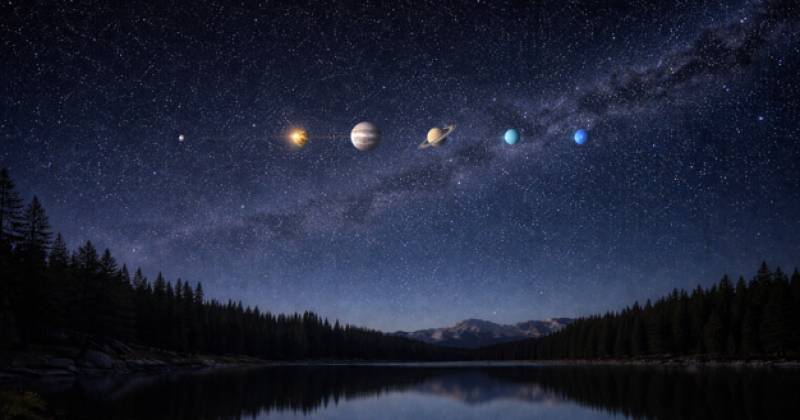
Six planets are lining up in the Spanish sky this February 28
ARCHIVED ARTICLE -
The best views in Spain will be an hour after sunset, according to NASA
Mercury, Jupiter, Venus, Saturn, Neptune and Uranus will all appear in the same stretch of sky, following the ecliptic, which is the curved path that traces the Sun's journey across the heavens. On a clear night with little light pollution it promises to be quite a sight, so it's worth knowing where to look and what to look for.
Why do they appear in a line?
It's worth clearing something up before we go any further, because the idea of a "planetary alignment" can be a little misleading. The planets aren't actually lined up in space, and there's no physical connection between them.
What you're seeing is a trick of perspective.
Because all the planets orbit the Sun in roughly the same flat plane, when we look out from Earth towards that plane we see them bunched together along the same curve in the sky, a bit like watching runners on a circular track from pitch level.
What you'll be able to see with the naked eye
The good news is that you won't need any special equipment to spot four of the six planets from most parts of Spain. Mercury, Jupiter, Venus and Saturn will all be visible to the naked eye. Venus will be the easiest to find, bright and unmistakable low in the west. Jupiter will be almost as dazzling and is your next best landmark. Saturn has a warm yellowish glow that sets it apart and Mercury will be visible too, although it sits lowest in the sky so you may need a clear, unobstructed horizon to catch it.
When to look and where to look
NASA advises waiting until around an hour after sunset before you start scanning the sky, particularly if you want a chance of seeing Uranus and Neptune. Twilight washes out the fainter planets, so patience pays off here.
In terms of direction, Jupiter will be towards the east or southeast and will be sitting very close to the Moon, making it easy to find. The other planets are best seen by looking west and southwest, with Uranus further round towards the southwest as well.
Do you need a telescope?
For the full experience, yes. Binoculars will help you pick out Uranus, but Neptune is fainter and lower on the horizon and will really need a proper telescope to see well. If you have one available, this is definitely a night to get it out.
How long have you got?
February 28 is the peak date for the alignment, but you won't miss out entirely if conditions aren't perfect that night. The planets will remain broadly visible in this formation into the first few days of March, although exactly what you can see will depend on where you are geographically and how clear the sky is.
Find a dark spot, give your eyes time to adjust, and enjoy one of those moments that reminds you just how extraordinary the view from our little corner of the solar system can be.
article_detail

|
Address
Casas del Puente 3, Cartagena, Murcia, Spain, 30397
Tel: +34 623 140 902
Loading
The Astronomy and Science Centre Foundation has star-themed events and activities to delight novices and experts of all ages
Astronomy Tours runs a whole host of astronomical activities and events in the Murcia Region, from astronomical observation sessions to a magical cruise under the stars, to really fire up an interest in the cosmic world beyond our atmosphere.
Their main base of operations is the Finca Astronomica, located close to the town of La Aljorra in the Campo de Cartagena, where you can join their astronomy tours either in the daytime or at night, all year round.
At the Finca, you’re welcomed with delicious food, drinks, a bonfire and a variety of astronomical tools and gadgets. In the summer season, they also have tours in other locations, including San Pedro del Pinatar, La Manga and Camposol, not to mention their unmissable cruise under the stars, which involves a nighttime cruise on the Mar Menor with tapas and drinks, plus a guided presentation of the night sky as you watch the galaxy glide by.
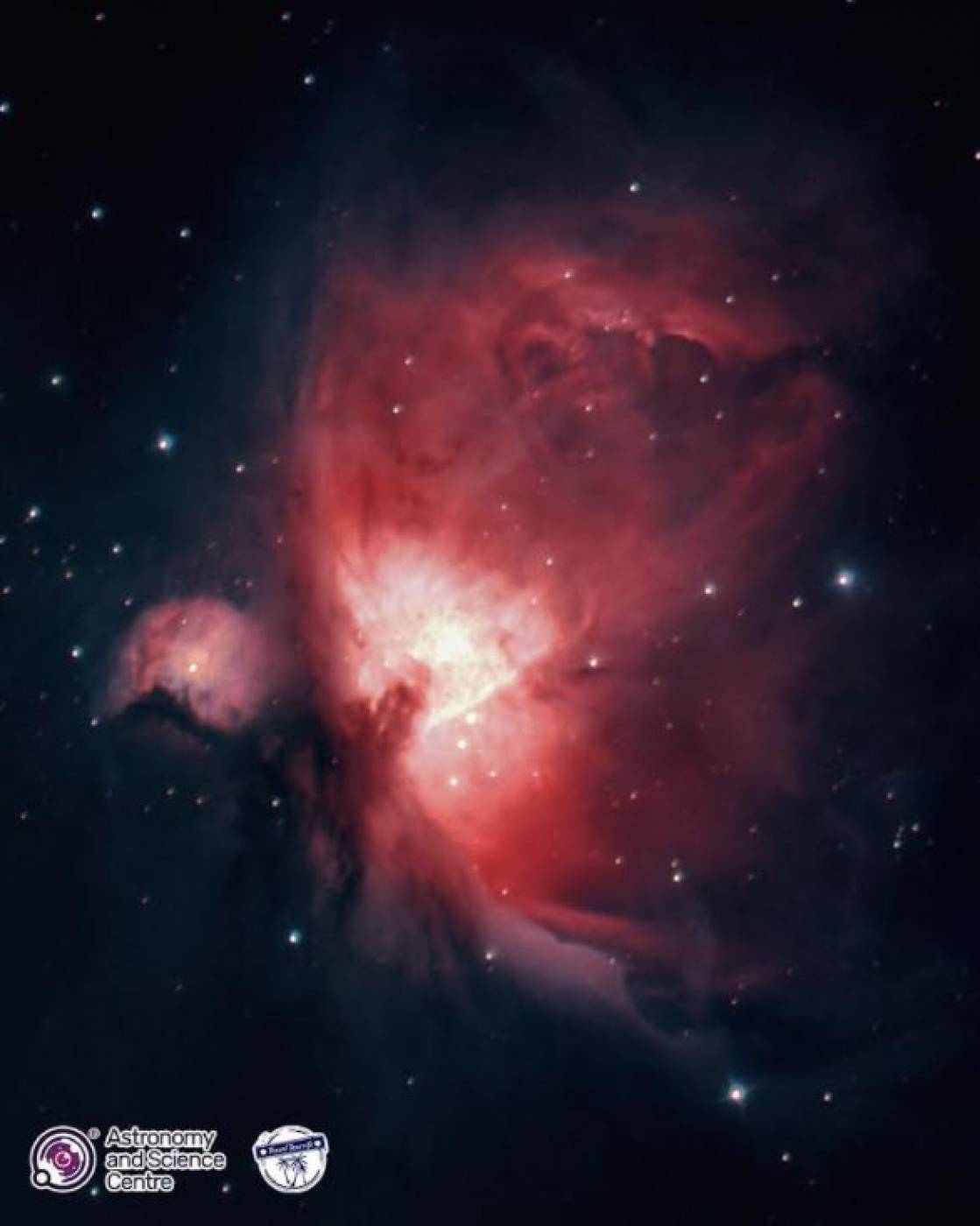
The Astronomy Tours and the Finca Astronomica are supported by the Astronomy and Science Centre Foundation, which was founded in 2019 by a group of astronomers and Starlight-certified guides and monitors in the astronomical observatories in Spain.
The purpose of the Foundation is to promote the knowledge and interest in the field of astronomy and astronomy-related sciences, which covers areas such as physics, chemistry, biology, geology, but also history, archeology, urban and medical aspects of social life, literature, art, culture and (of course) astrology.
By promoting this knowledge and getting their customers interested in astronomy, the Foundation hopes to achieve higher goals such as bringing the stars a little closer to people, and helping them to understand the importance of caring about our planet and the whole human population as a one.
To achieve those goals, the Foundation organises its day- and nighttime activities and camps which are suitable for both children and adults, and as well as this they work with
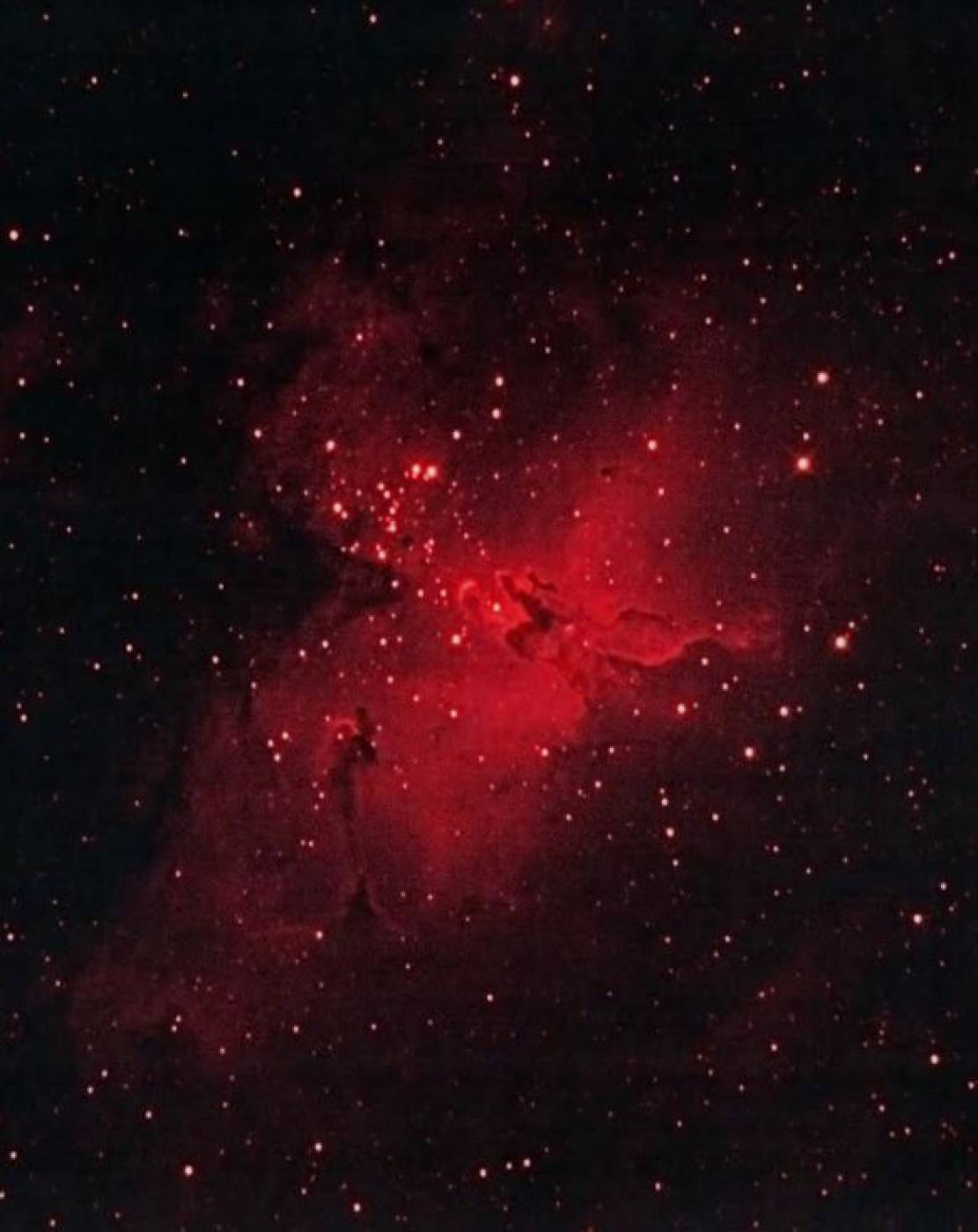
schools and organisations and write books for children to bring astronomy to the masses.
As part of this mission, they’re creating an astronomically themed park right on the Costa Cálida called the Astronomy and Science Centre which has an observatory available to the public to see the stars and the planets, and where they also promote ecofriendly and sustainable activities and closeness to nature.
The Finca Astronomica even has its own friendly and well cared for animals which live in really big spaces where people can easily enter and interact with them in their own environment.
What’s more, you can get involved in all sorts of other fun and activities for all the family at the Finca Astronomica, including glamping under the stars, stroking the animals at their petting zoo and enjoying sports like darts, archery, nerf gun fights, and many more.
This year, Finca Astronomica is excited to unveil its very own Yurt Village. Alongside the beautifully crafted wooden glamping pods, the yurts combine traditional charm with all the modern comforts including double beds, cosy carpets and plenty of shelving for your personal belongings.
But that’s not all. Each yurt comes handily equipped with light and electricity, so that you can charge your devices even as you recharge your spirit under the vast, starry sky.
This summer season is about to come alive with regular tours happening three days a week, while Adult Only Fridays are just around the corner.
Tours are available in English, Spanish and Polish.











 Spanish News Today
 Alicante Today
 Andalucia Today